
Exploring Virginia Beach: A Comprehensive Neighborhood Guide for 2026
Virginia Beach stretches from the Atlantic Ocean to the rural edges of Pungo, blending coastal resort energy with suburban stability. According to U.S. Census Bureau QuickFacts, the independent city’s population sits near 460,000 residents as of early 2026, making it Virginia’s largest city by population. This Virginia Beach neighborhood guide highlights how corridors like the Oceanfront, Town Center, Kempsville, Great Neck, and Sandbridge differ in housing styles, commute patterns, school access, and lifestyle amenities that matter most to long-term owners and renters.
How Do Major Virginia Beach Neighborhoods Differ in Character and Layout?
The Oceanfront corridor along Atlantic Avenue and Pacific Avenue centers on resort-style living, high-rise condos, and short-term rentals. Streets such as 21st Street, 31st Street, and 5th Street lead directly to the three-mile boardwalk, framed by hotels, surf shops, and restaurants. According to Walk Score, the Oceanfront area posts walk scores in the 70s, ranking among the city’s most walkable segments, while car-dependent pockets in Princess Anne and Salem score closer to the 20s.
West of the resort strip, the Town Center of Virginia Beach around Independence Boulevard and Virginia Beach Boulevard mixes mid-rise condos, office towers, and entertainment destinations. The area around Central Park Avenue and Market Street features apartments above retail, easy access to Interstate 264, and structured parking. According to City of Virginia Beach Strategic Growth Areas, the Town Center district covers roughly 460 acres and continues to add residential units through phased redevelopment.
Further north, the Great Neck and Shore Drive corridors provide established single-family neighborhoods such as Great Neck Point, Alanton, and Thoroughgood. These areas emphasize larger lots, mature trees, and convenient access to Chesapeake Bay beaches near Shore Drive and First Landing State Park. According to Redfin data through early 2026, detached homes near Great Neck Road and Shore Drive typically trade in a mid-range band rather than at entry-level pricing.
On the southern side, Princess Anne, Salem, and the rural Pungo area showcase a different pattern with newer subdivisions, equestrian properties, and open fields. Communities near the Municipal Center complex, Sentara Princess Anne Hospital, and Landstown Commons retail center favor cul-de-sac layouts and planned amenities. Mount Trashmore Park, located along Edwin Drive, acts as a central landmark for both Town Center and adjacent neighborhoods, drawing families for festivals, skateboarding, and lakefront walking trails.
What Housing Options and Price Ranges Define Key Corridors?
Housing stock in Virginia Beach spans compact condos to expansive estates, depending on corridor and age of construction. According to Realtor.com data for late 2025, entry-level condos in the city often list between $220,000 and $300,000, with higher prices near Atlantic Avenue and the Oceanfront boardwalk. Townhouse communities in Kempsville, such as those off Kempsville Road and Indian River Road, tend to cluster in the mid-range, serving move-up buyers seeking more space.
According to recent reports from Redfin, many single-family homes across Virginia Beach closed in a typical band between $350,000 and $550,000 through early 2026, with premiums in Great Neck and North End blocks near Atlantic Avenue. Bayfront and oceanfront properties, especially along Shore Drive and in the Croatan neighborhood, often exceed $900,000, with luxury custom homes in exclusive pockets sometimes topping $2.4M when direct water access or panoramic views are involved.
Late afternoon along Shore Drive near the Chesapeake Bay Bridge-Tunnel often features sunlight flashing off calm water while the low roar of traffic rolls overhead. The scent of salt air mixes with grilled seafood drifting from restaurants near Lynnhaven Inlet, such as Hot Tuna and Chick’s Oyster Bar. Condo balconies facing the inlet catch a steady breeze, while quiet streets behind Shore Drive feel sheltered, especially near the tree-lined lanes of Bay Island and Thoroughgood.
Rental options distribute widely across corridors as well. According to listings aggregated by Apartments.com in early 2026, one-bedroom apartments in many parts of Virginia Beach typically advertise between $1,200 and $1,600 per month, with higher asking rents closer to the Oceanfront and Town Center. Larger three-bedroom rentals, particularly near Landstown High School or Cox High School, frequently command monthly amounts in the $2,000 to $2,600 range, depending on age and amenities.
How Do Schools, Parks, and Education Hubs Shape Neighborhood Choices?
School performance and access to recreation heavily influence neighborhood decisions across Virginia Beach. According to GreatSchools data reviewed in 2026, several Virginia Beach City Public Schools campuses, including Princess Anne High School, Cox High School, and First Colonial High School, receive above-average ratings within the region. Neighborhoods zoned for these schools, such as sections of Great Neck, Alanton, and areas near Laskin Road, often see steady buyer interest and relatively low inventory.
Parks and green spaces form another layer. Mount Trashmore Park near South Boulevard and Edwin Drive offers hills, playgrounds, and a lake loop that draws walkers throughout the year. First Landing State Park, stretching between Shore Drive and the Chesapeake Bay shoreline, provides miles of trails, campsites, and access to sheltered beaches. Red Wing Park, near General Booth Boulevard, supplies additional sports fields and Japanese gardens that appeal to residents from nearby Ocean Lakes and Seatack neighborhoods.
Higher-education institutions contribute daily traffic and housing demand. Regent University, located off Centerville Turnpike, and the Tidewater Community College Virginia Beach Campus on Princess Anne Road anchor student and staff populations that support surrounding apartments and townhomes. According to enrollment figures summarized by Regent University, combined on-campus and online student counts reach into the tens of thousands, although not all reside locally, meaning rental demand emerges in concentrated pockets rather than uniformly citywide.
Families focusing on school proximity often weigh commute times as carefully as test scores. Corridors feeding into Salem High School, Kempsville High School, and Landstown High School provide multiple feeder neighborhoods with varying home ages and price points. Busing patterns and school boundary maps from Virginia Beach City Public Schools help clarify which streets fall into each zone, influencing choices between older tree-lined streets in established subdivisions and newer construction near the city’s southern edge.
What Lifestyle Amenities, Shopping, and Dining Anchor Each Area?
The Town Center district functions as a central entertainment hub. Around Central Park Avenue, residents access the Sandler Center for the Performing Arts, restaurants lining Commerce Street, and seasonal events on the plaza. According to the City of Virginia Beach Town Center overview, the district includes several hundred thousand square feet of retail and office space plus multiple residential towers, allowing many residents to live, work, and dine within a compact footprint.
Evenings around the Virginia Beach Oceanfront pulse with layered sounds: waves striking the sand, guitars echoing from 24th Street Park, and laughter drifting from patios along Atlantic Avenue. The smell of boardwalk fries mingles with sweet funnel cake near the amusement rides, while neon from arcades reflects off the polished windows of nearby condos. Side streets like Arctic Avenue feel quieter, with porch lights glowing softly behind dunes that shelter homes from the brisk Atlantic breeze.
Retail centers spread across the city’s interior corridors. Lynnhaven Mall off Lynnhaven Parkway features national retailers, dining, and a cinema complex, feeding steady traffic into adjacent neighborhoods like Green Run and Windsor Woods. Landstown Commons near Landstown Road and Princess Anne Road draws shoppers from southern communities such as Courthouse Estates and Ocean Lakes. Smaller neighborhood centers line Holland Road, Indian River Road, and Holland Plaza, bundling grocery stores, pharmacies, and local restaurants within short drives.
Recreation extends beyond beaches and malls. The Virginia Beach Sportsplex and Veterans United Home Loans Amphitheater, both located near Princess Anne Road, host soccer matches, concerts, and festivals. According to Visit Virginia Beach, the city offers more than 200 municipal parks and recreational facilities, along with roughly 38 miles of shoreline when counting the Oceanfront, Chesapeake Bay beaches, and Sandbridge. This density of amenities allows most neighborhoods to sit within a relatively short drive of outdoor or cultural attractions.
How Do Commute Patterns and Transportation Options Influence Neighborhood Fit?
Virginia Beach remains primarily a driving city, but commute dynamics shift by corridor. According to Walk Score, the city overall carries a walk score in the low 40s, indicating that most residents rely on vehicles, while transit scores sit notably lower. Neighborhoods near Independence Boulevard, Virginia Beach Boulevard, and I-264 interchanges tend to offer shorter drive times into Downtown Norfolk and Naval Station Norfolk than more distant southern communities.
Hampton Roads Transit bus routes connect many major corridors, particularly around Town Center, Pembroke, and the Oceanfront. According to schedules maintained by Hampton Roads Transit, multiple bus lines converge near the Oceanfront along Atlantic Avenue and around the Virginia Beach Boulevard corridor, providing options for residents without cars. Still, less-dense neighborhoods near Pungo or along Princess Anne Road south of the Municipal Center often experience limited transit frequency and longer commute windows.
Traffic patterns also influence neighborhood perception. Peak travel on I-264 between Rosemont Road and Lynnhaven Parkway often slows during morning and evening rush hours due to combined commuter and tourist volumes. Corridors like Shore Drive, General Booth Boulevard, and Lynnhaven Parkway can experience similar congestion points. Some residents prioritize side-street access to these arterials, selecting homes off streets such as Potters Road, Holland Road, or Baxter Road to reduce reliance on more congested intersections.
Bike and pedestrian infrastructure continues to expand gradually. Shared-use paths near Great Neck Road, Shore Drive, and the Norfolk Avenue corridor offer safer options for cyclists heading toward First Landing State Park or the Oceanfront boardwalk. According to planning documents from the City of Virginia Beach Planning Department, several additional trail connections remain under consideration in 2026, particularly links that would better connect Town Center to surrounding residential neighborhoods by separated paths rather than narrow painted bike lanes.
The population figure near 460,000 residents cited at the start of this guide reflects a scale that supports diverse micro-markets across Virginia Beach. That same population size underscores why neighborhood-level analysis often matters more than citywide averages when assessing housing options, pricing bands, and long-term fit. The Hampton Roads REALTORS Association market reports deliver some of the clearest regional snapshots of inventory levels and contract velocity. Buyers who register listing alerts through regional platforms and commit to touring promising properties within 48 hours of activation before the spring surge typically secure stronger positions in competitive segments. Those who delay monitoring new listings until after peak summer tourism often confront thinner choices, higher prices, and greater pressure to compromise on location or property features.
FROM OUR BLOG
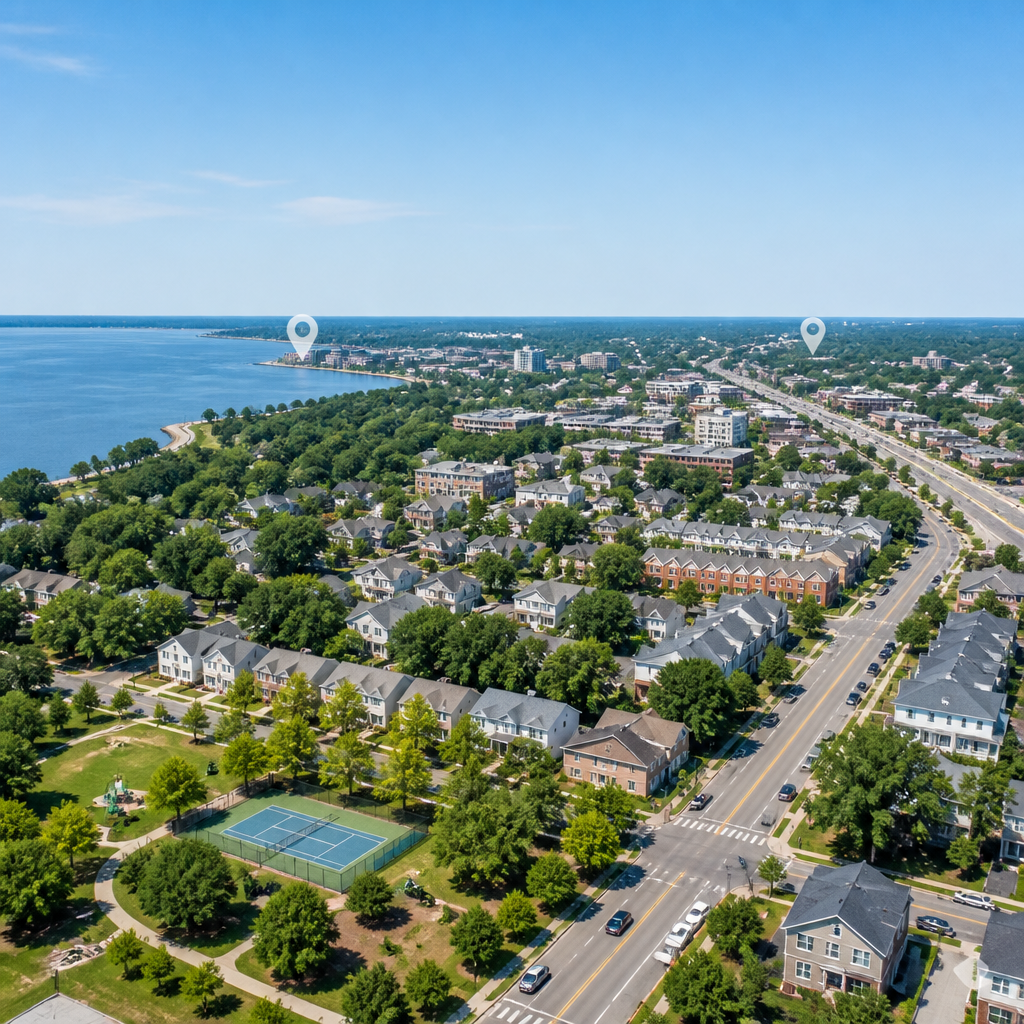
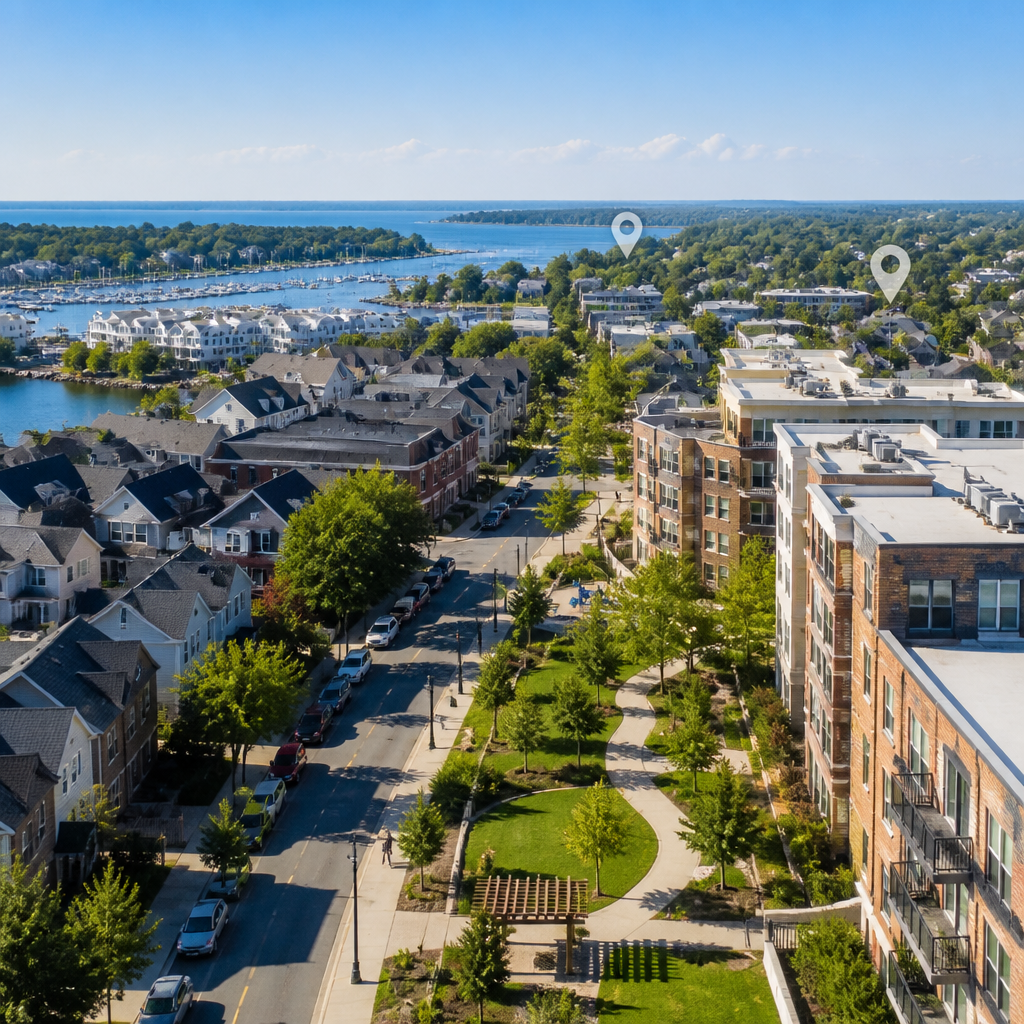
Moving to Hampton VA: Essential Tips for New Residents in 2026
Moving to Hampton VA: Essential Tips for New Residents in 2026 Moving to Hampton VA in 2026 places new residents in one of coastal Virginia’s oldest independent cities, blending maritime history with modern infrastructure. According to U.S. Census QuickFacts, Hampton’s population sits around 137,000
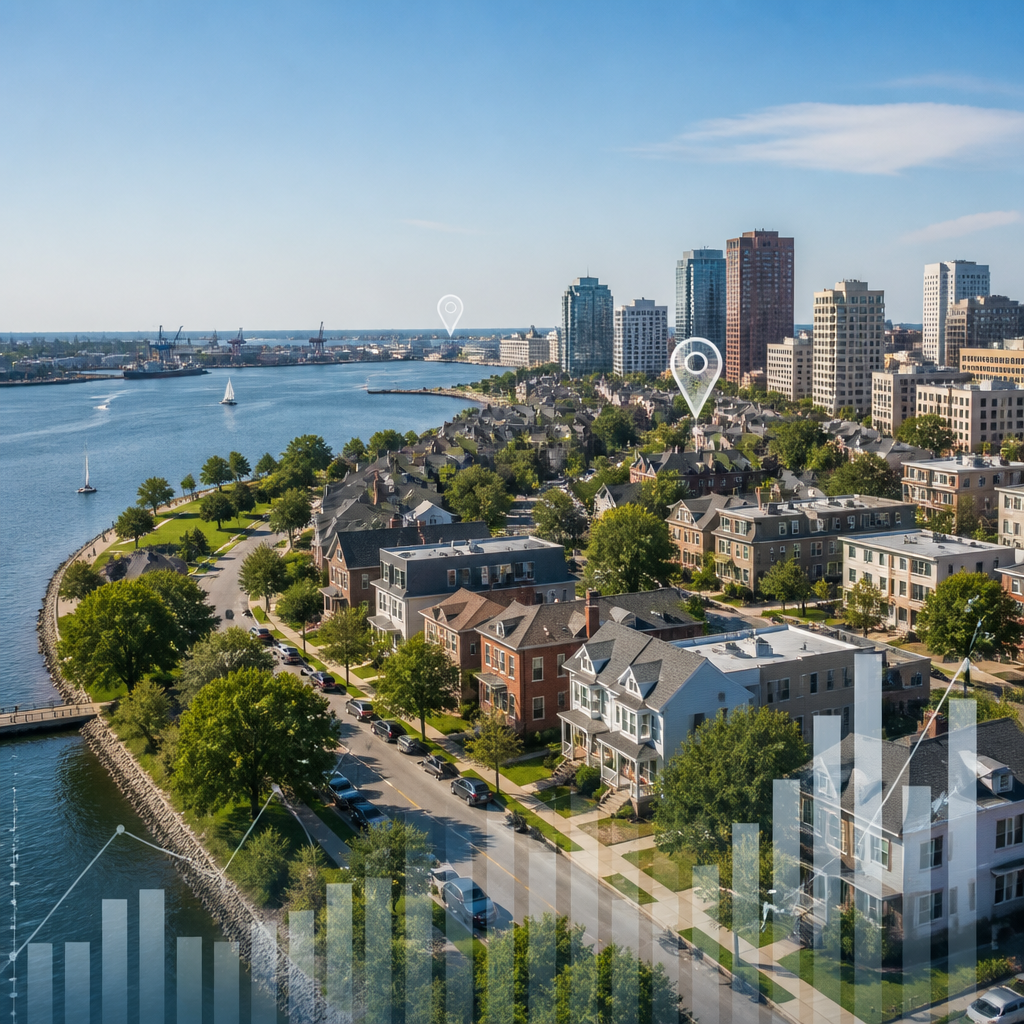
Norfolk VA Residential Properties: Your 2026 Buying Guide
Norfolk VA Residential Properties: Your 2026 Buying Guide Norfolk VA residential properties sit at the center of Hampton Roads housing demand, supported by military, medical, and maritime employers. According to U.S. Census Bureau QuickFacts, Norfolk’s population exceeds 235,000 residents as of 2023

PCS to Virginia: Finding Your Home Near Norfolk, Fort Eustis, and Langley
Moving to Virginia on PCS orders? You’re not alone. The 757 is home to some of the largest military communities in the country, with bases like Norfolk Naval Station, Fort Eustis, and Langley Air Force Base welcoming new arrivals year-round.Norfolk Naval StationLargest naval base in the worldSailors